The best discounts this week
Every week you can find the best discounts here.





Electronics & Accessories
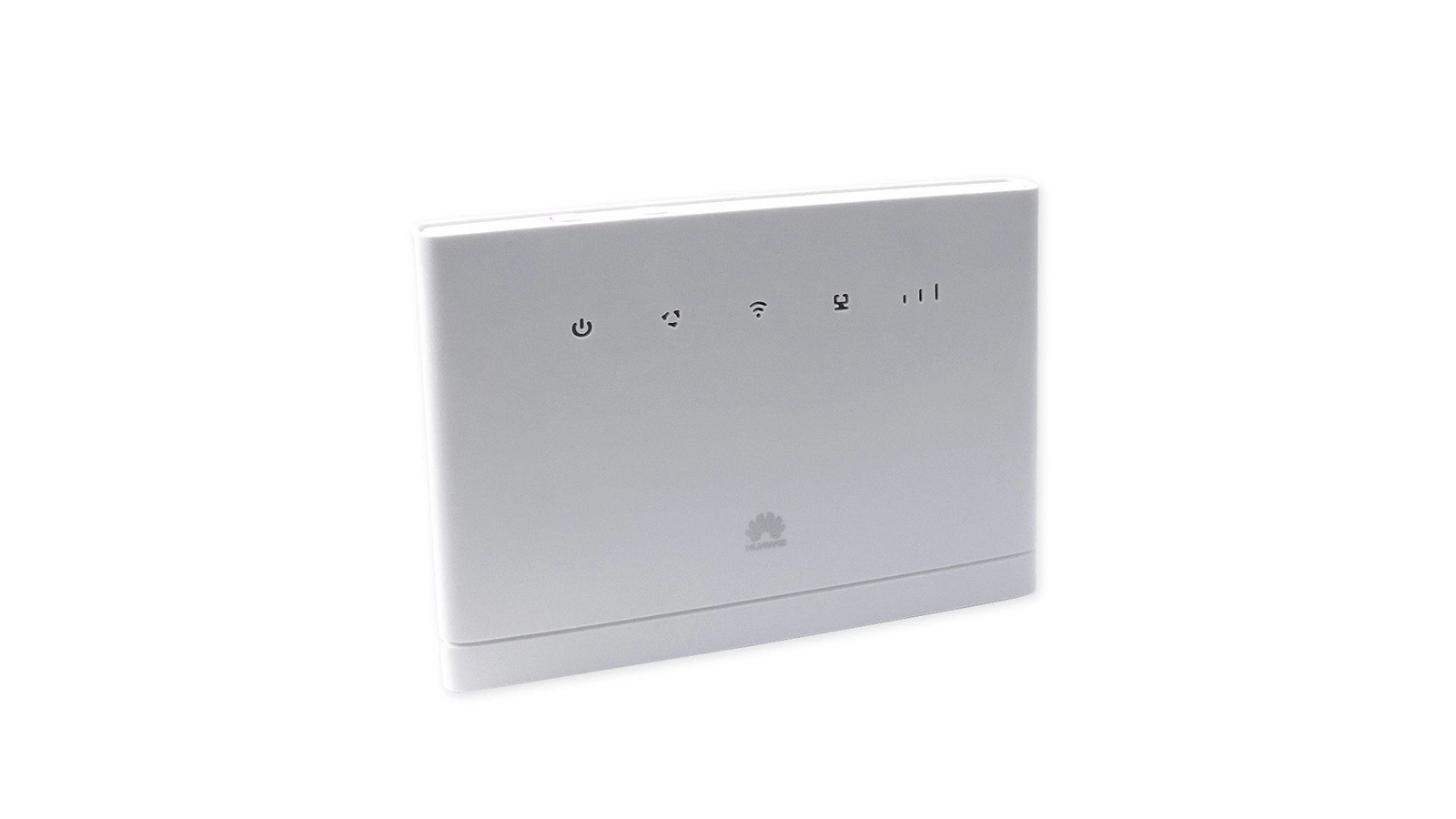
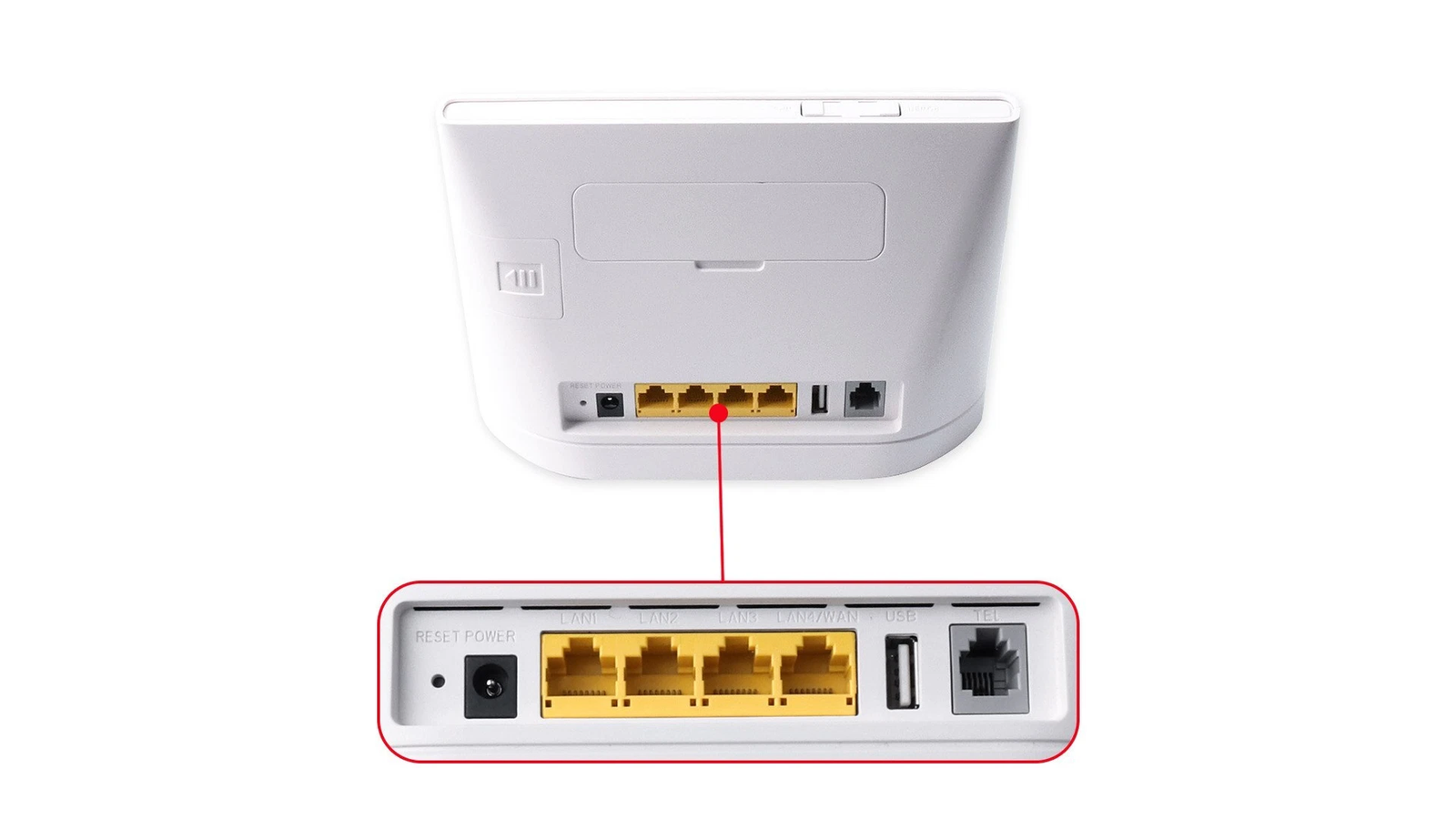
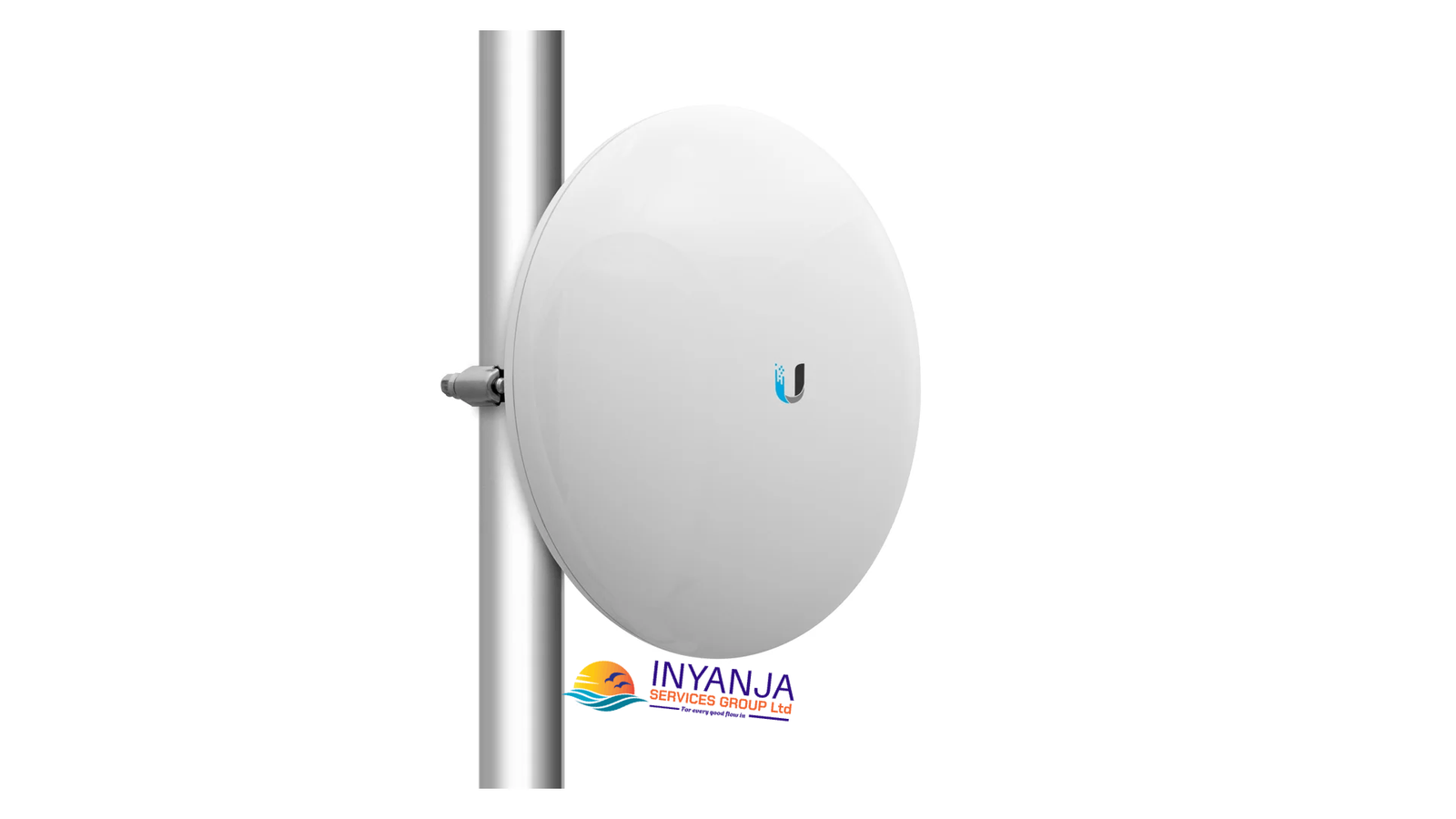
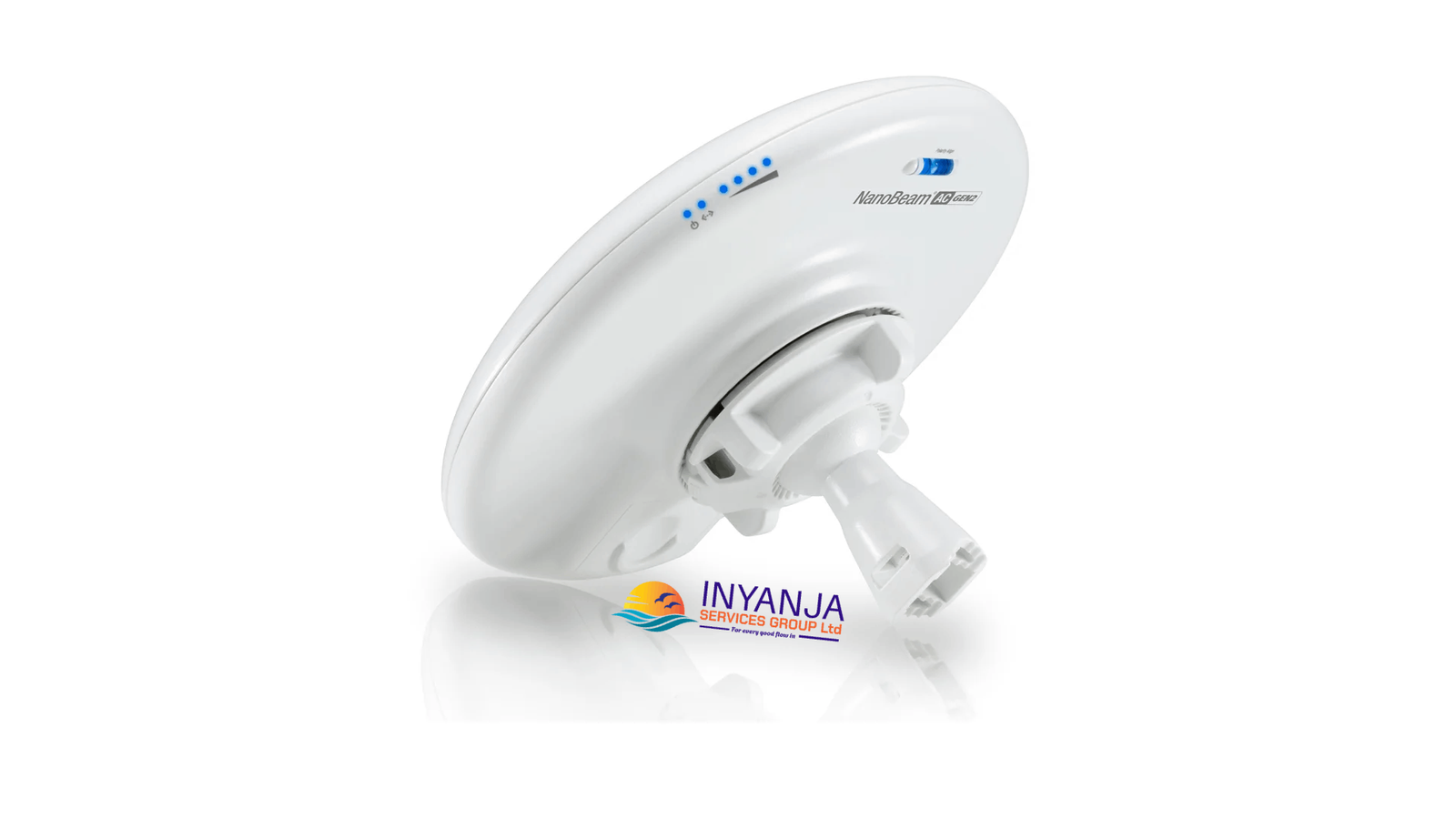
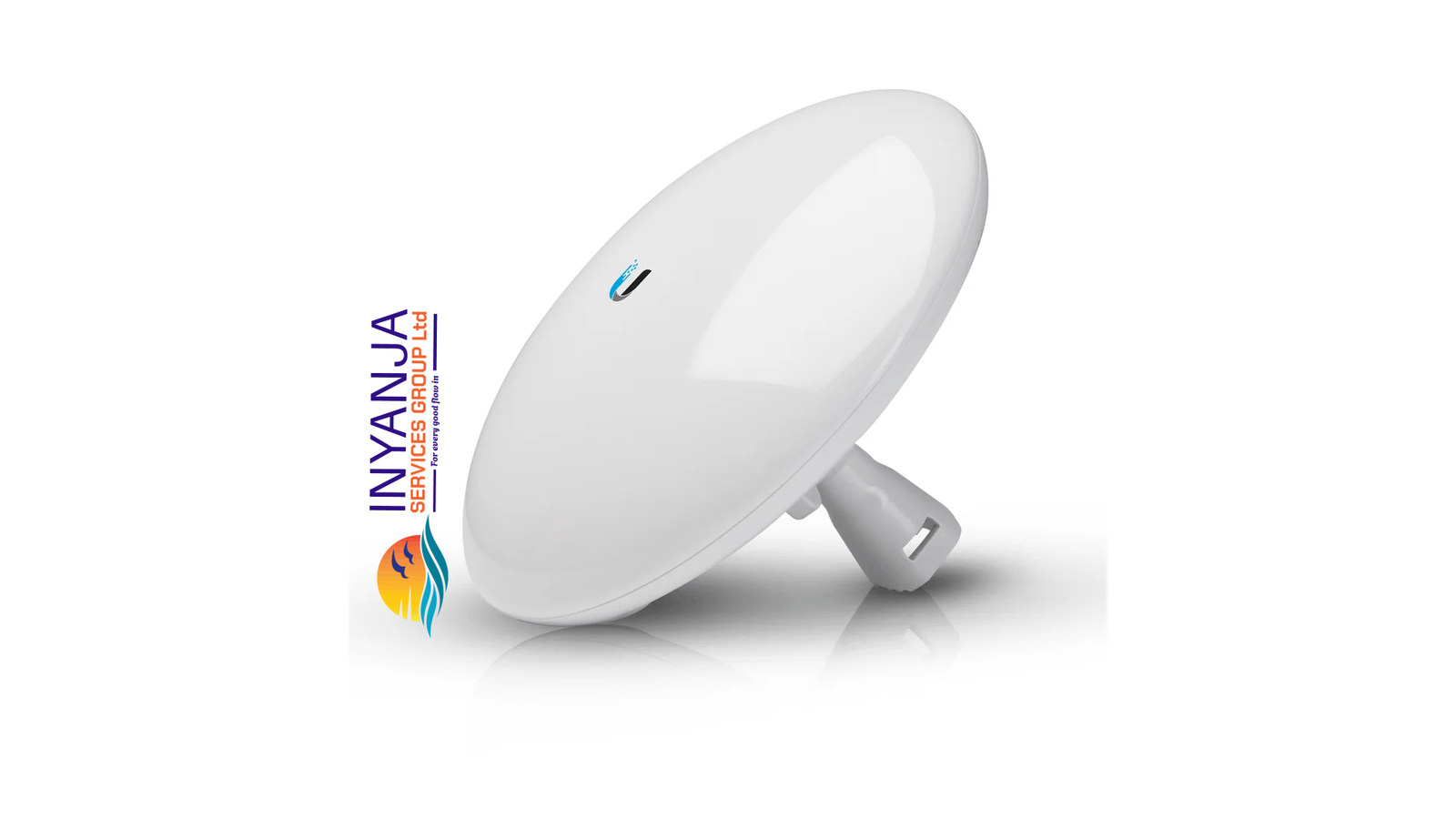
Networking devices (also called network devices or networking hardware) are physical hardware components that connect computers and other electronic devices so they can communicate and share data in a computer network. These devices help establish, manage, direct, and optimize data traffic between devices both within a local network (like at home or in an office) and between different networks (such as connecting to the internet).
- Main Purpose
Networking devices serve several key roles:
• Connect devices together so they can send and receive information.
• Control and direct the flow of data across a network efficiently and securely.
• Extend network coverage and signal strength, and sometimes convert data formats for compatibility.
- Common Types of Networking Devices
Below are examples of widely used networking devices and what they do:
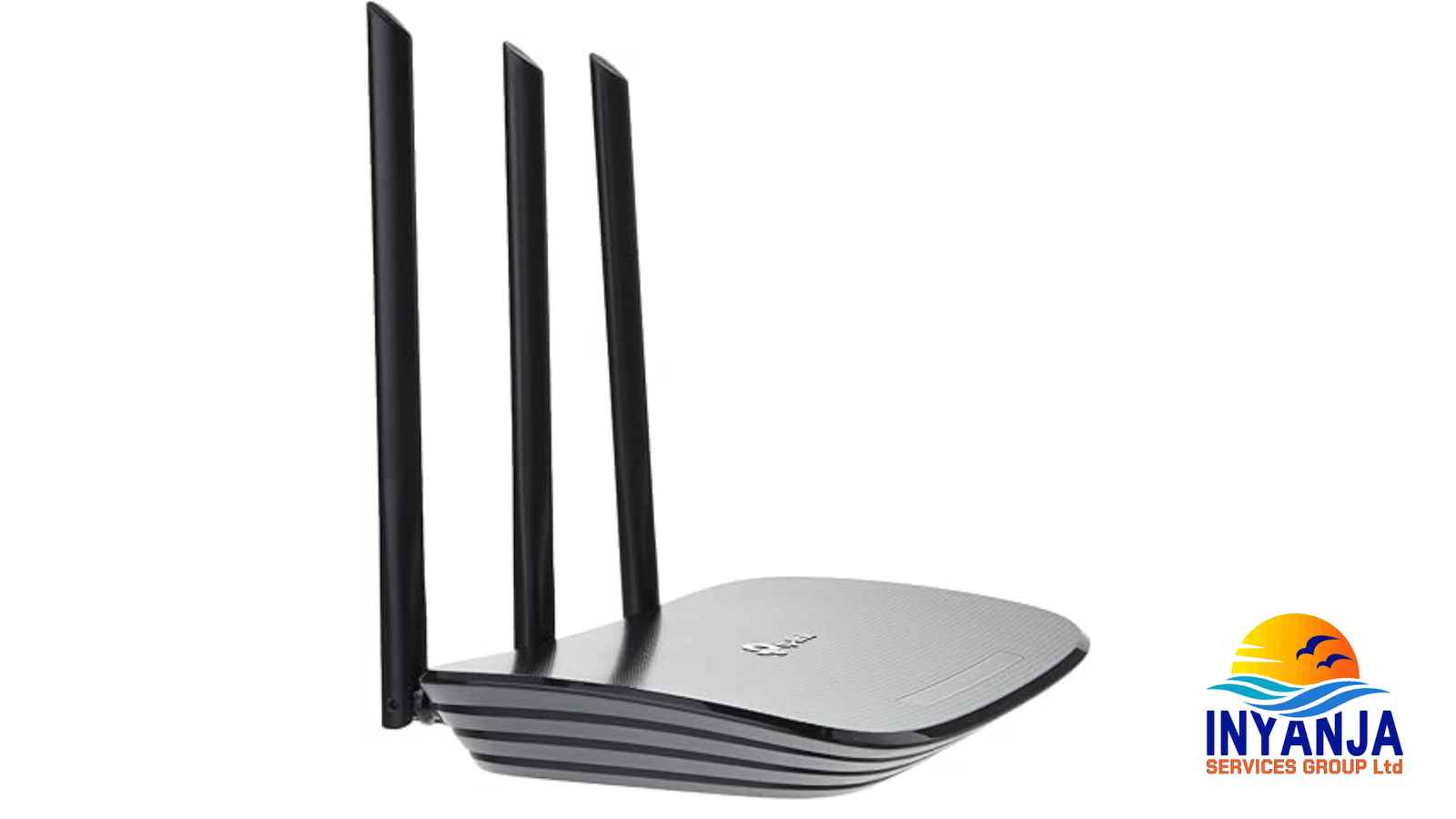
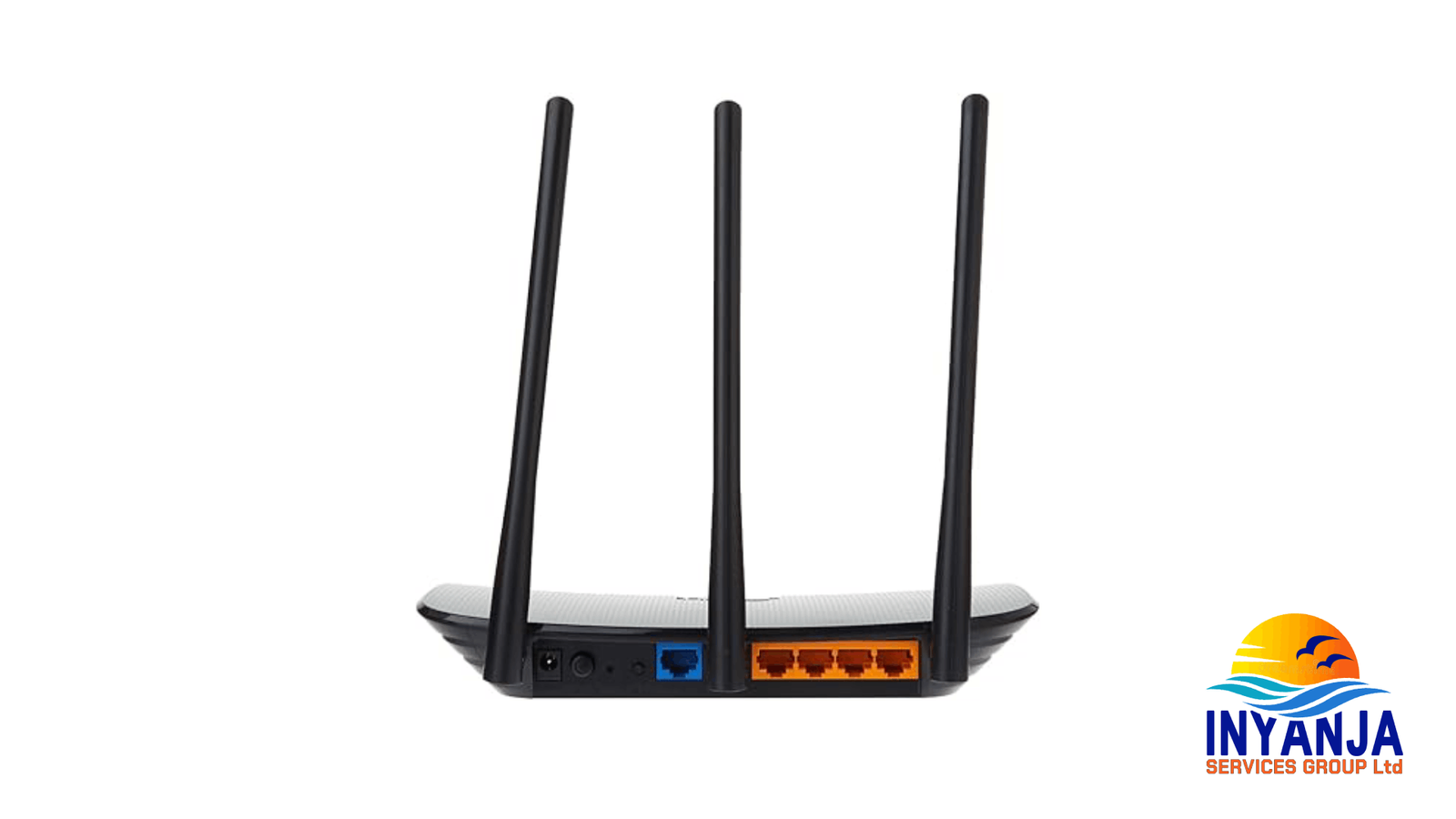
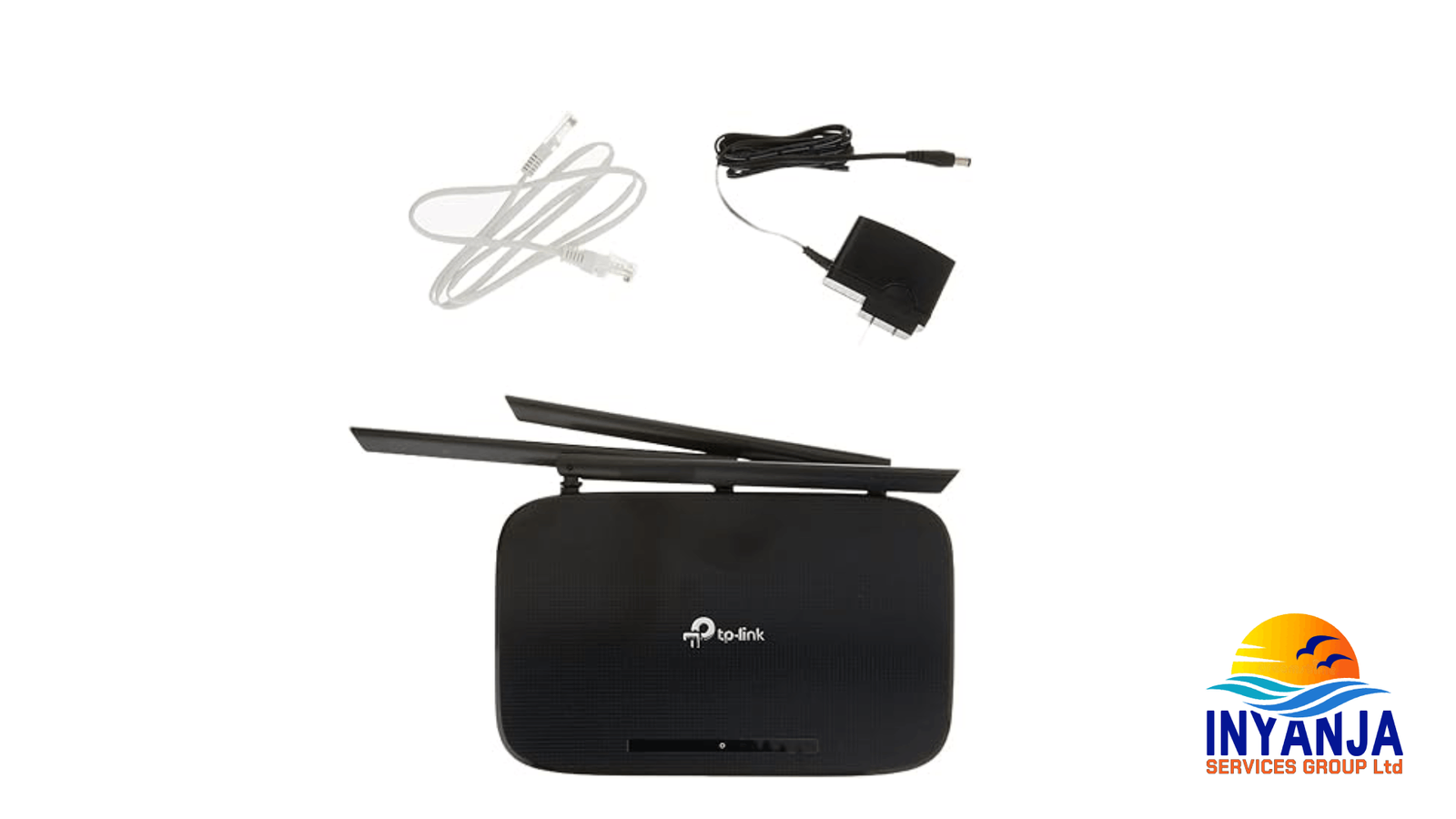
- Router: A device that connects different networks (for example, your home network to the Internet) and forwards data to the correct destination.
- Switch: Connects multiple devices within a network and sends data only to the device it’s meant for, improving speed and efficiency.
- Hub: A basic device that connects multiple devices together but broadcasts incoming data to all connected devices without filtering.
- Modem: Converts digital signals from devices into a form that can travel over telephone or cable lines and vice‑versa, enabling internet access.
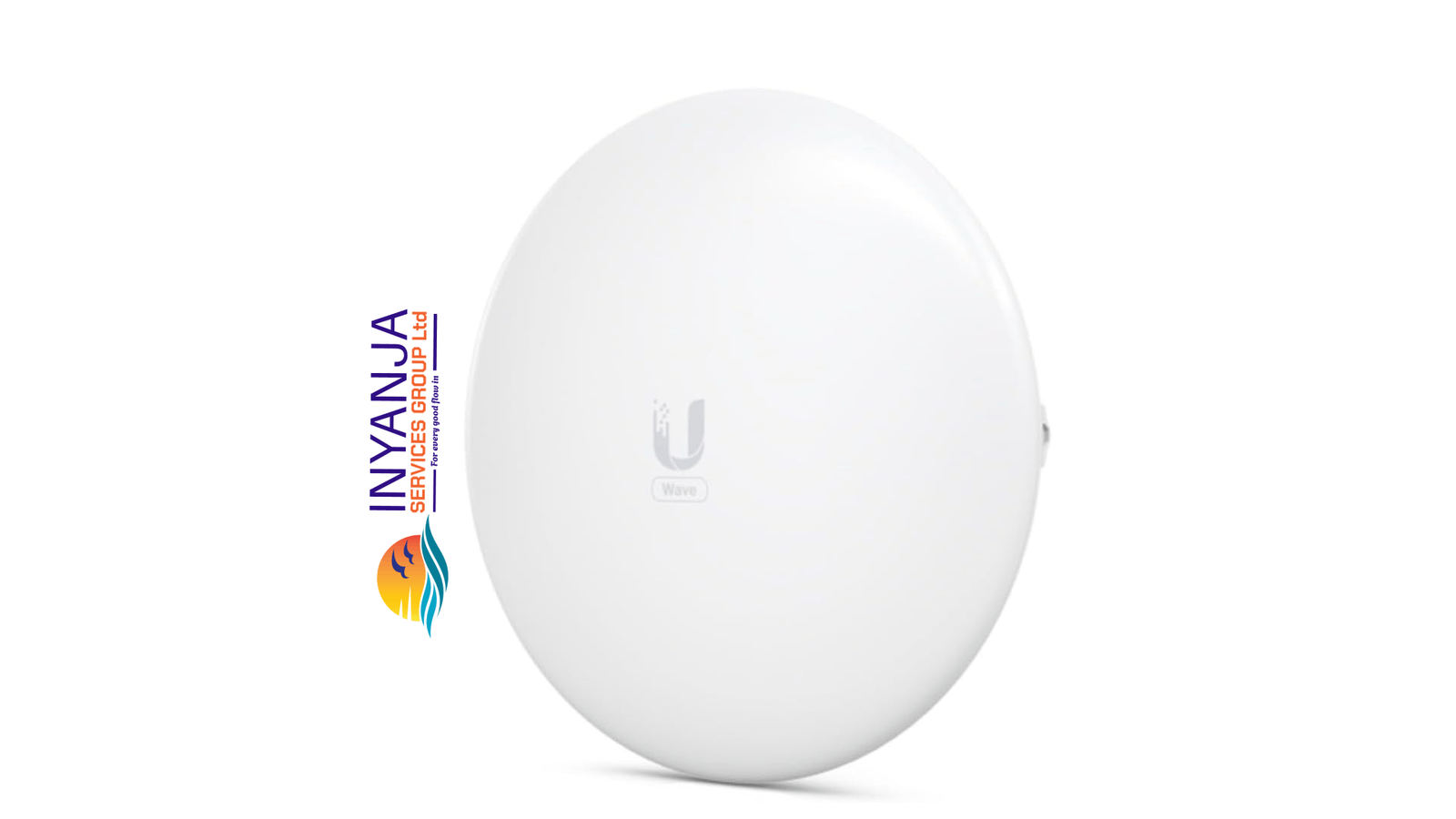
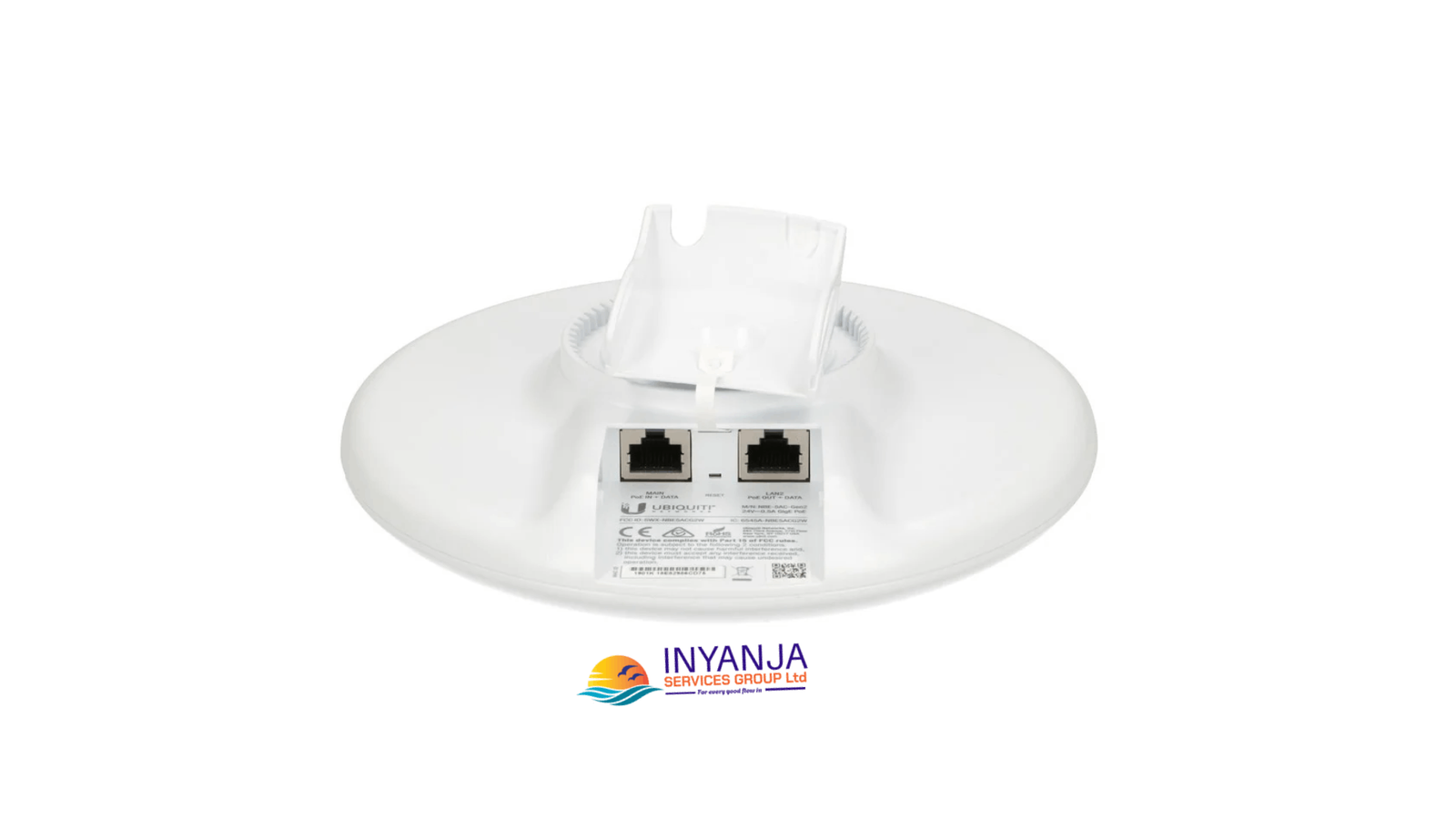
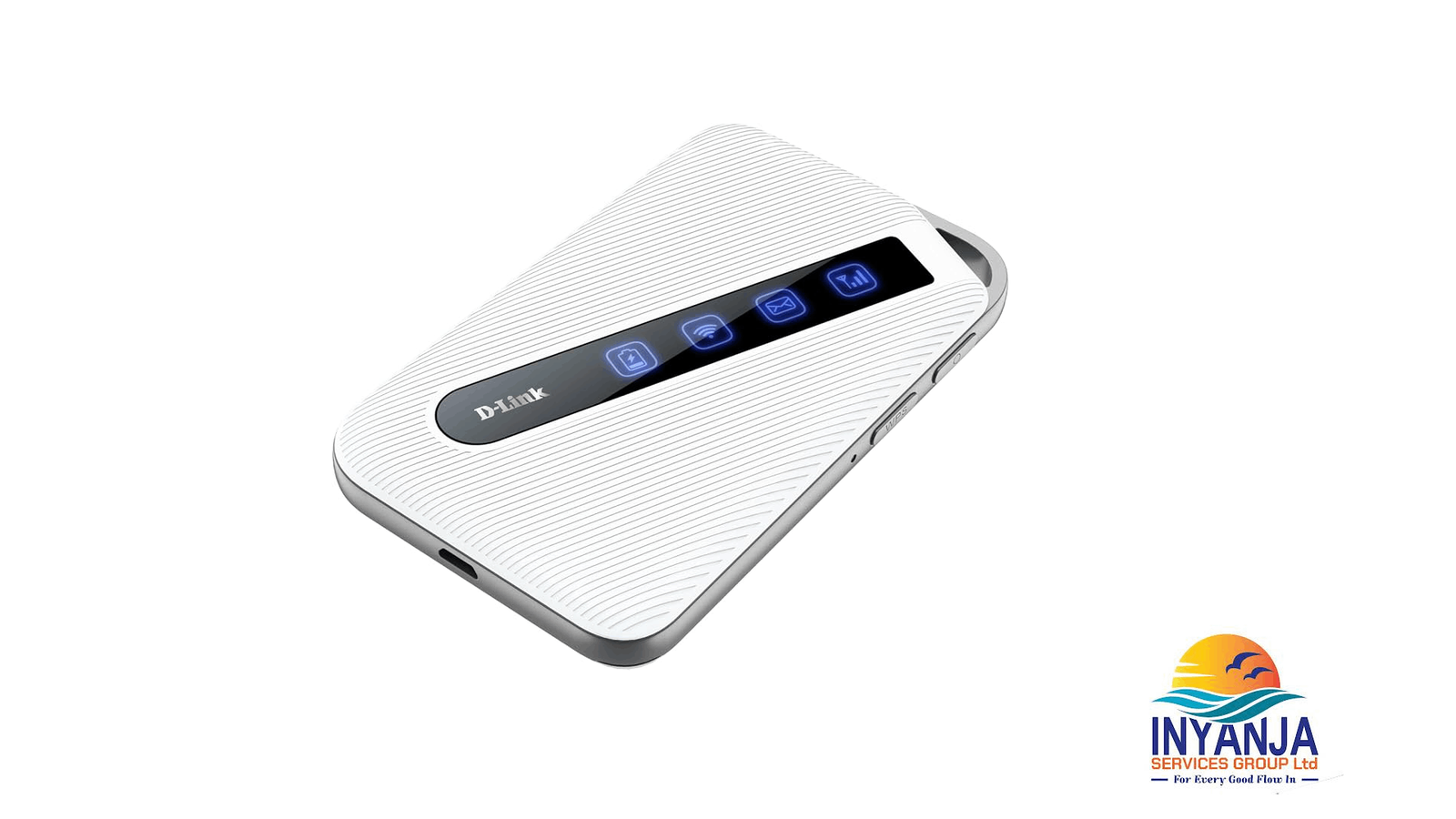
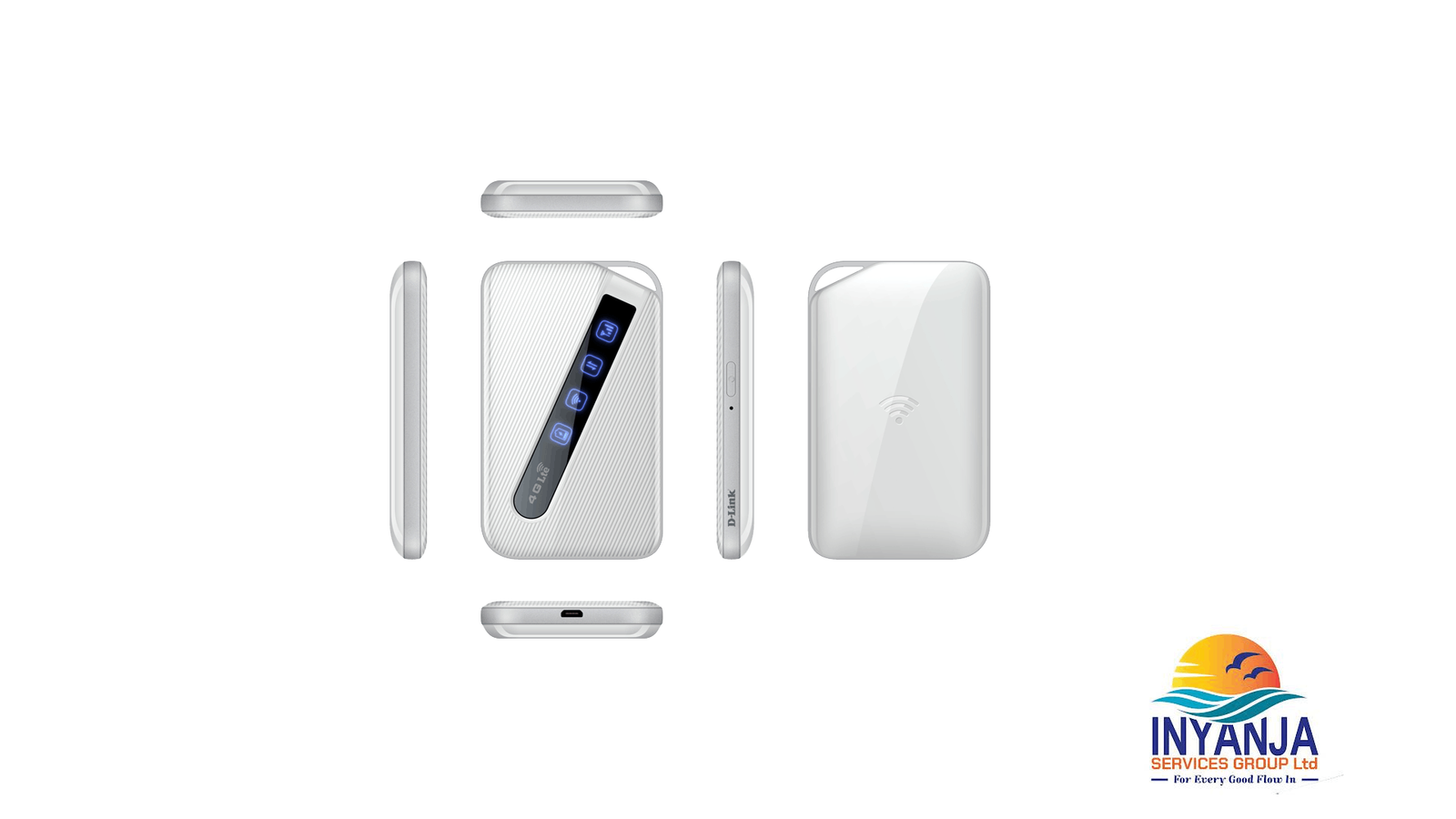
- Access Point (AP): Provides wireless network access to devices using Wi‑Fi.
- Bridge & Gateway: Devices that help connect or translate between different networks or segments to allow proper data communication.
Showing 1–16 of 23 resultsSorted by latest